
We really like this article…. [because]
Blog
-
Emotional Labour
‘Emotional labour’ describes work that a person does to manage emotions and feeling, work that may well go unnoticed. It gets used in lots of ways. And there’s a nice 2021 article from The Guardian that goes into the history of the term, and ways in which it’s been used and, perhaps, abused.
In equality discussions, people talk about emotional labour to describe something that, typically, women end up doing, and, typically, men don’t even clock is a thing. Think about the work involved in remembering everyone’s birthdays and getting presents. Yes, there’s the work of getting and writing cards. But the emotional labour is, as it were, having this on your mental to do list. It doesn’t just happen for free.
Like lots of themes we talked about in Equality at Home, emotional labour is something that can be invisible. And that can have a big impact on equality.
However, and again, a big theme in the book, just naming it and telling your partner “Do you share of the flippin’ emotional labour” often won’t be enough the fix the inequality. Though it might be a good start.

-
Postcards
If you order the deluxe signed edition, we’ll bung in four free postcards. We say free. I mean, we’ve sort of priced in the cost of the postcards. And, actually, we’re hoping you will send them to friends (or the partner’s of friend) who might like or need to read the book. But anyway, who doesn’t like a postcard with pixel robots on it.
Don’t want the deluxe signed edition, but would like some postcard. Sure, we can do that. [LINK TO BUY POSTCARDS]


-
Strike action
In this 2021 article in The Guardian, Emma Beddington makes the case for going on strike as route to addressing domestic inequality.
We have some sympathies. In the book, we do argue that it’s can be really important for one partner to stop doing the things they usually do, even if that means, say, the house gets messy and they can’t stand it.
As, Emma points out in the article, and we talk about in the book, if you like a tidy house it can be unbelievable painful to let the mess accumulate. Rather than strike action, though, which feels very combinative, we suggest that jointly agreed experiments. So one person agrees to stop doing the tidying for a week and the other agrees to take it on, but to do so in their own way and pace. At the end of the week, the two of you can meet and review. What was it like for each of you.
As the tidy partner, can you bear a little more mess. As the untidy partner, do you now see how much work is involved in keeping the place tidy and are you, err, clearer, that it’s not done by fairies.
-
“Sciencing” the chores
Our book isn’t really scientific, but Kate Mangino has written a book that attempt to bring science to the topic of equality at home.
Say something about the book and / or article here.
-
Our first Amazon review
We’ve got our first Amazon review. Hopefully the first of many.
It’s a nice piece. We very much like Scott’s phrase “micro-moral condemnation”.
-
Review: literally seeing different things
Thanks to The Book Network for organising our virtual blog tour. They also read the book and have put up a detailed review on their website.
Rather than framing inequality as a straightforward failure—of effort, empathy, or goodwill—it suggests something more uncomfortable: that many of these conflicts are sustained by invisibility. Not wilful blindness, not malice, but deeply ingrained ways of perceiving and organising the domestic world.
It’s a subtle but powerful shift. Because if the problem is not simply that one person isn’t trying hard enough, then the usual solutions—nagging, explaining, even calmly presenting “the facts”—start to look strangely ineffective.
-
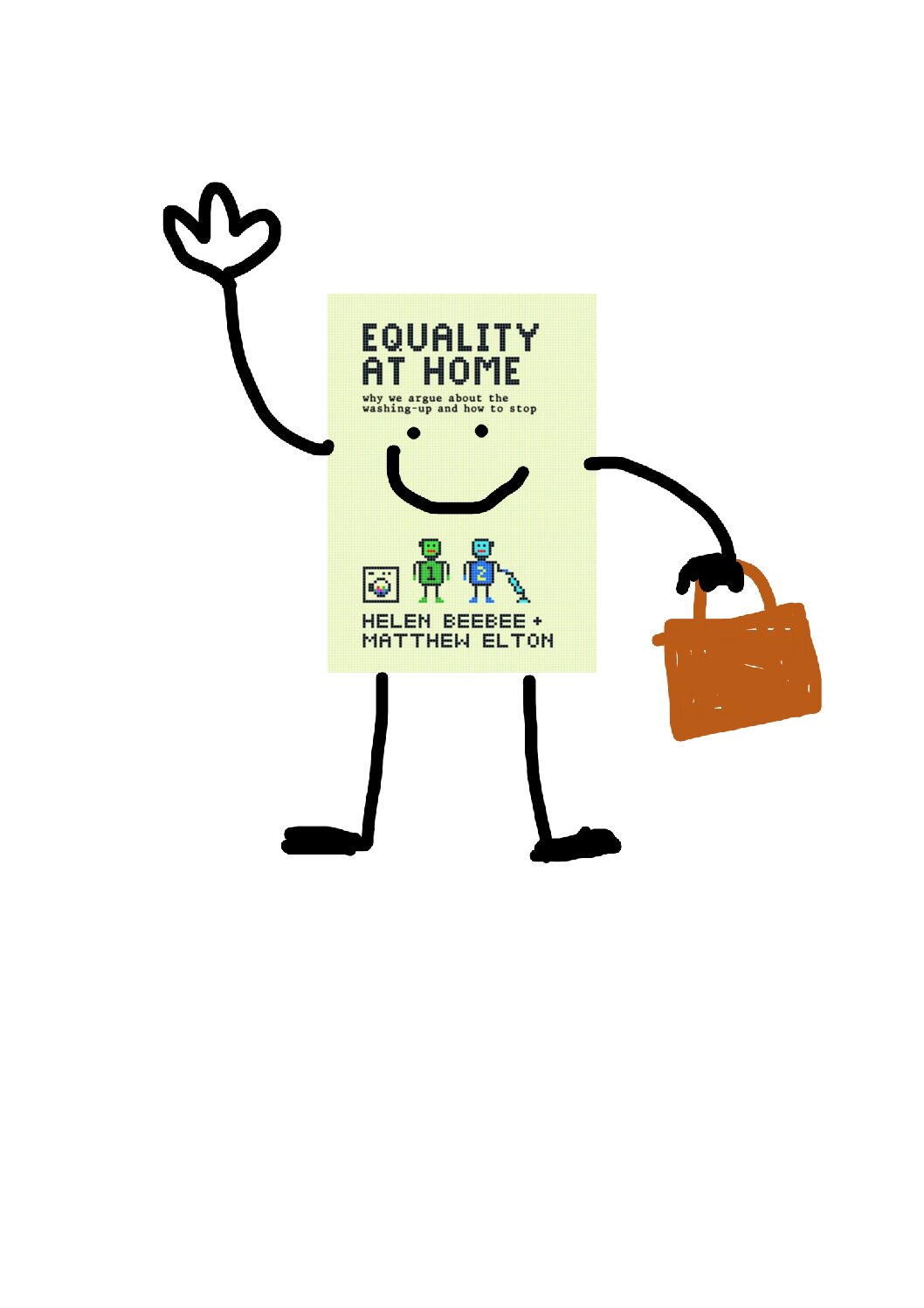
Book reviews are coming in!
I’m off on my virtual book tour and the reviews are very nice so far!
Five stars from @everything.books.23: “Equality at Home is thoughtful, insightful, and genuinely practical. It transforms ordinary household arguments into conversations about fairness, empathy, and shared responsibility. By the final chapter, you’re likely to look at everyday chores , and perhaps your own relationships, in a completely different light.”
And 4.5/5 imaginary rubber gloves from @vwcookcreatives: “This is a genuinely useful book and will no doubt help many people tackle these age-old domestic battles.”
-
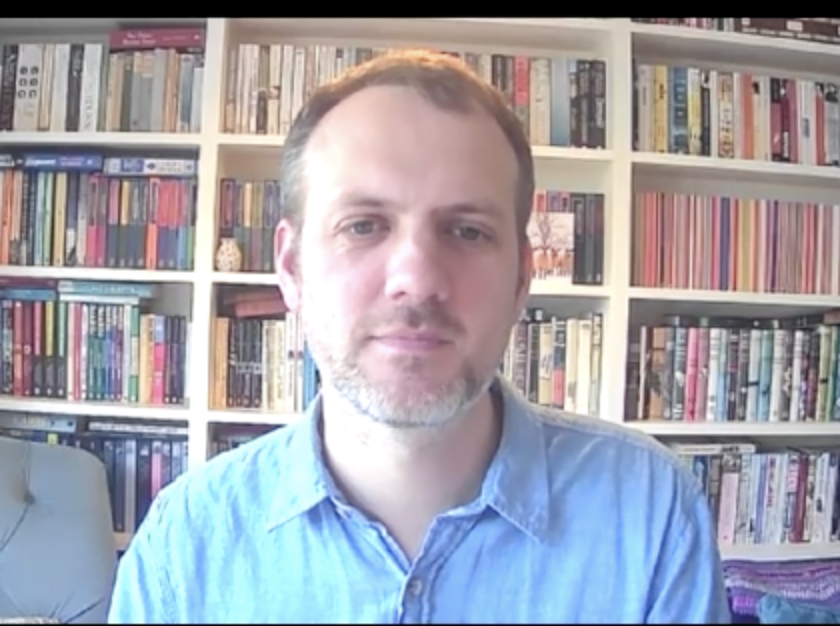
Helen talks to philosopher Tom McClelland about ‘affordances’
Head over to YouTube for a 15-minute chat between Helen and the awesome To McClelland about how the pile of dirty dishes can look to one person like a pile of dirty dishes, and to another like a massive chore waiting to be done. And how that can help us understand why the washing-up can be such a bone of domestic contention. If you’re feeling intellectual, you can read the philosophy paper Tom wrote with Paulina Sliwa on this topic here.
-
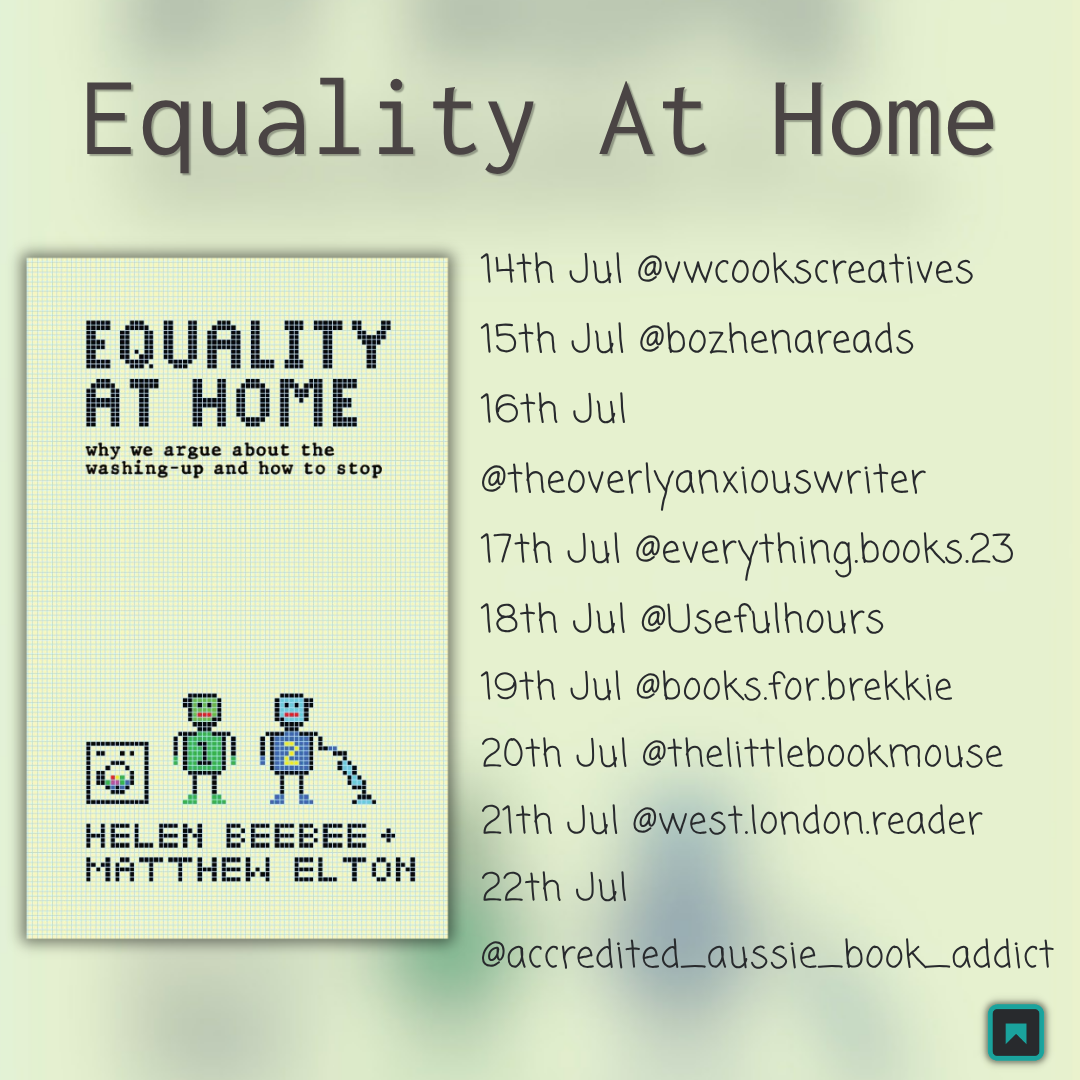
Virtual book tour!
We’ve got a virtual book tour all this week — exciting! Fingers crossed the reviewers like it …